


%20no-repeat%20center%20center;-webkit-background-size:cover;-moz-background-size:cover;-o-background-size:cover;background-size:%20cover;)
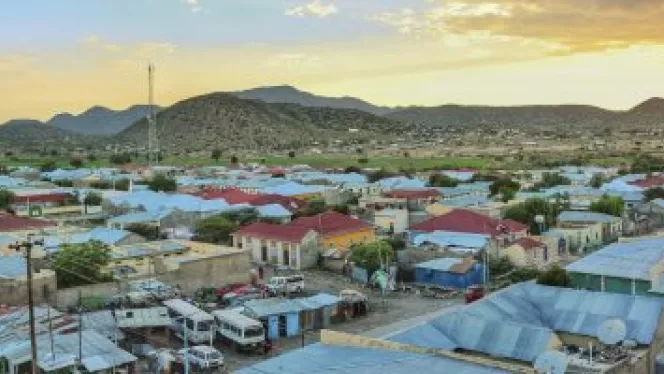
Tension in Borama remains high and the situation uncertain following two public statements from Somaliland’s President Abdirahman Mohamed Abdillahi Irro and the dispatch of traditional elders to Borama. The traditional elders were sent to help calm unrest after deadly protests erupted Thursday night, triggered by the government’s announcement that it would proceed with the launch of Xeer Isse book in the coastal city of Zeila. The decision sparked widespread demonstrations that quickly turned violent, leaving nearly 20 people dead and more than 50 injured. Local sources reported that military units deployed to the city carried out violent crackdowns, resulting in civilian deaths.
President Irro addressed the media last night, announcing several measures to ease the crisis. He ordered the “withdrawal of military forces” from Borama and pledged that no “further steps would be taken without consultation.” However, shortly after his remarks, the situation deteriorated. Overnight reports indicated renewed fighting between military units and clan militias, particularly in southern and some northern neighborhoods.
This morning, government-appointed traditional elders arrived in Borama and held talks with clan leaders from the Awdal region. Following the discussions, both sides agreed to halt the book launch event, the issue that had initially triggered the protests. Later in the day, President Irro again addressed the public, declaring that the government had reversed its earlier decision allowing the celebrations to proceed.
Meanwhile, Somalia’s federal government issued a statement condemning the use of violence and urging Somaliland authorities to protect civilians. The statement followed remarks from Awdal representatives in the federal parliament, who described the clashes as “self-defense.” Somaliland’s Minister of Foreign Affairs responded by accusing the federal government of “interference and destabilizing actions.”
The Somaliland Human Rights Centre also released a statement condemning “the use of live ammunition against civilian protesters by Somaliland security forces, which resulted in the deaths of 17 unarmed civilians and injuries to more than 50 others.” The Centre urged the government to “immediately cease the use of excessive force against unarmed civilians and to uphold citizens’ right to peaceful expression.”
The protests in Borama reflect deep-rooted grievances that have persisted in the region for decades. Communities in Borama and the wider Awdal region have long “felt marginalized,” citing inadequate representation in the Somaliland government, unequal distribution of power, and limited access to resources. The region has often remained on the periphery of political and economic decision-making, fueling a sense of exclusion among residents.
Successive Somaliland administrations have pledged reforms and greater inclusivity, yet many of these commitments have failed to materialize, leaving frustrations unresolved. This recurring cycle of unmet expectations has eroded trust in the central government and reinforced perceptions of neglect. For many, the protests reflect a broader disillusionment with a system that has consistently overlooked their needs. According to local reports, the sound of heavy machinery and gunfire has ceased today, though the situation remains tense.
Source: Open Newswire @ Tension in Borama remains high amid deadly unrest | Geeska