
%20no-repeat%20center%20center;-webkit-background-size:cover;-moz-background-size:cover;-o-background-size:cover;background-size:%20cover;)
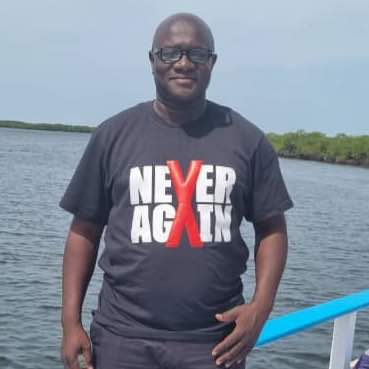
What exactly is the purpose of a presidential media dinner in a context where fundamental media freedoms remain under siege?
In principle, there is nothing inherently wrong with a president engaging with the media, whether socially or professionally. In a genuinely democratic setting where political will exists, media freedom is protected, journalists are safe, and laws are enforced, a presidential media dinner could symbolize mutual respect and partnership in nation-building.
However, that is not the context in which this dinner is being held.
A government that does not hold regular presidential press conferences, restricts access to the president to only favored media houses or selected journalists, and tolerates the persecution of critical journalists cannot credibly claim commitment to press freedom through ceremonial dinners. In such an environment, a presidential media dinner ceases to be engagement. Instead, it smacks of propaganda, i.e., a public relations exercise designed to mask deep and unresolved violations emanating from the state itself.
Journalists continue to face intimidation, prosecution, and harassment with impunity. For example, citizen journalists such as Bakary Mankajang remain under a bogus criminal charge for over a year without a court appearance. The state routinely ignores court victories secured by journalists. Journalist Pa Modou Bojang won his case against the police, yet the judgment remains unenforced. Similarly, media personality Alhagie Borra Sisawo successfully challenged the state in court, but the ruling has not been enforced. These failures render justice symbolic and reinforce a dangerous culture of impunity where state institutions selectively obey court orders.
Media outlets and journalists are publicly harangued and branded as “opposition” simply for doing their work, as seen in the treatment of Kerr Fatou and Membekering TV. This labeling is not isolated but a deliberate tactic to delegitimize, intimidate, and silence critical journalism. During protests, journalists have been arrested, teargassed, assaulted, or prevented from reporting. Others have been dragged to court by state officials for publishing reports deemed inconvenient, including Kebba Ansu Manneh of The Alkamba Times, who a sitting minister sued for his reporting.
At the structural level, draconian media laws remain firmly in place. Several provisions in the Criminal Offences Act, the Official Secrets Act, and the Information and Communications Act continue to criminalize speech and undermine media freedom. Worse still, instead of repealing these oppressive statutes, the government is now introducing a new Cybercrime Bill, which, if enacted in its current or anticipated form, poses a clear and present danger to the media. Such laws, often framed in the language of security, are routinely used to criminalize journalism, expand surveillance, and suppress dissent.
This legislative direction directly contradicts any claim of commitment to media freedom.
Meanwhile, GRTS remains under tight state control, operating as a government broadcaster rather than a public service media institution. Its coverage overwhelmingly favors the president and his party while marginalizing opposition voices, in violation of principles of fairness, pluralism, and public interest broadcasting.
Even progressive laws enacted to support the media are routinely disregarded by public institutions. The Access to Information Act is ignored mainly as public bodies neither proactively disclose information nor comply with lawful requests. This deliberate noncompliance entrenches secrecy and defeats the very purpose of the law.
Therefore, the country does not need a “tolerant” president or government. What it needs is a law-abiding president and government. When leaders obey the law, tolerance becomes unnecessary because rights are respected, protected, and enforced as a matter of obligation, and not discretion.
Before hosting presidential media dinners, the president must first ensure the repeal or comprehensive reform of all media-restrictive laws, the withdrawal or radical revision of the Cybercrime Bill to align with press freedom standards, end police and official harassment of journalists, the enforcement of court judgments and accountability for violations against media practitioners, the equal access to the president and public information for all media houses, and ensure the transformation of GRTS into a genuinely independent public broadcaster.
The Gambia Press Union must also confront this reality with honesty and resolve. Annual dinners held while these systemic violations persist only expose the government’s insincerity and a troubling lack of seriousness on the part of the GPU and sections of the media fraternity. Since the last dinner in 2024, these conditions have remained unchanged. In 2017, Barrow promised an era of ‘Free Press’ in the new Gambia. Words and actions should match.
Yes, the government’s provision of land to GPU is commendable. However, land and infrastructure cannot substitute for an open, free, and safe working environment. Moreover, the GPU meets all legitimate legal requirements to receive state land, which is not a favor but a lawful entitlement. The government should have given land to the GPU since its inception!
Freedom of the press is not built through banquets. It is built through law reform, enforcement of court decisions, institutional independence, accountability, and political will. Until these conditions exist, presidential media dinners remain hollow gestures and symbolism without substance, and engagement without freedom.