

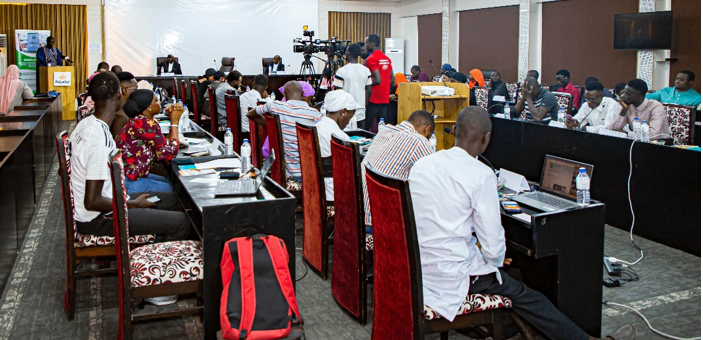
Media organizations in The Gambia participated in a two-day workshop on “media engagement” organized by the National Audit Office (NAO) on July 30-31, 2025.
The workshop aimed to enhance the relationship between auditors and the media by emphasizing the significance of audit reports in facilitating public understanding of fund usage. Journalists learned about the audit cycle, the role of the Auditor General, and how to report on audit findings.
A significant outcome of the workshop was the proposal for a Media Handbook on Audit Reporting, which aims to aid journalists in interpreting complex audit information, thereby fostering collaboration, trust, and transparency between the media and the NAO, and enhancing accountability.

Key points from NAO 67 presentation slides.
- Media Engagement Goals
- Educate the media on the Auditor General’s role and public sector auditing.
- Improve understanding of audit processes and enhance collaboration with the NAO.
Who is the National Audit Office (NAO)?
The NAO of The Gambia, part of AFROSAI and INTOSAI.
Legal Framework
The Auditor General is appointed by the President under the 1997 Constitution (Section 159).
Core Responsibilities
- Ensure compliance, audit public entities, publish reports, and conduct performance audits.
- Public Sector Auditing
- Reviews government operations for resource use and accountability.
Types of Public Sector Auditing
(1) Financial Audit (2) Compliance Audit (3) Performance Audit (4) Information Systems Audit (5) Forensics Audit
Audit Process Steps
- Engagement letter
- Entrance meeting
- Fieldwork
- Draft management letter
- Exit meeting
- Draft audit report
- Final report to the National Assembly
Responsibilities
- Auditees: Provide access and cooperation.
- Auditors: Maintain independence and report findings.
Importance of Compliance Audit
Enhances transparency and protects public funds.
Media’s Role
Promotes accountability and informs the public, expected to report accurately.
- Dos and Don’ts for Media Reporting
- Dos: Be accurate, simplify, verify.
- Don’t: Avoid politicization and exaggeration.